
Ketamine Assisted Therapy (KAP)

This innovative, trauma-informed treatment supports emotional healing, enhances neuroplasticity, and reduces symptoms of depression, anxiety, and PTSD
About Ketamine
Ketamine is a dissociative medication that can help a person disconnect from their ordinary reality and usual self. It can be effective with chronic treatment-resistant mental conditions, including:
Anxiety
Treatment-resistant depression
Major Depression
Obsessive Compulsive Disorder
Post Traumatic Stress Disorder
Certain addictions / Substance Use Disorders
Ketamine treatment may provide a reduction in your mind’s typical activities while maintaining a conscious awareness of your thoughts. It allows your brain to be open to reframing perspective and tends to lead to a disruption of negative feelings and obsessional preoccupations.

How Ketamine Works

Ketamine helps slow down your brain activity and nervous system.
It affects the neurotransmitter glutamate. When Ketamine is administered into the body, it blocks the NMDA receptors, located on a nerve cell, which disinhibits the release of glutamate. The release of this neurotransmitter activates a process that stimulates cells to generate additional synapses, as well as to regenerate ones that have become less functional.
This mechanism can lead to relief for depression, pain, and create new psychological pathways for healing. A typical antidepressant medication affects one of the three basic neurotransmitters in the brain, such as dopamine, norepinephrine and serotonin.
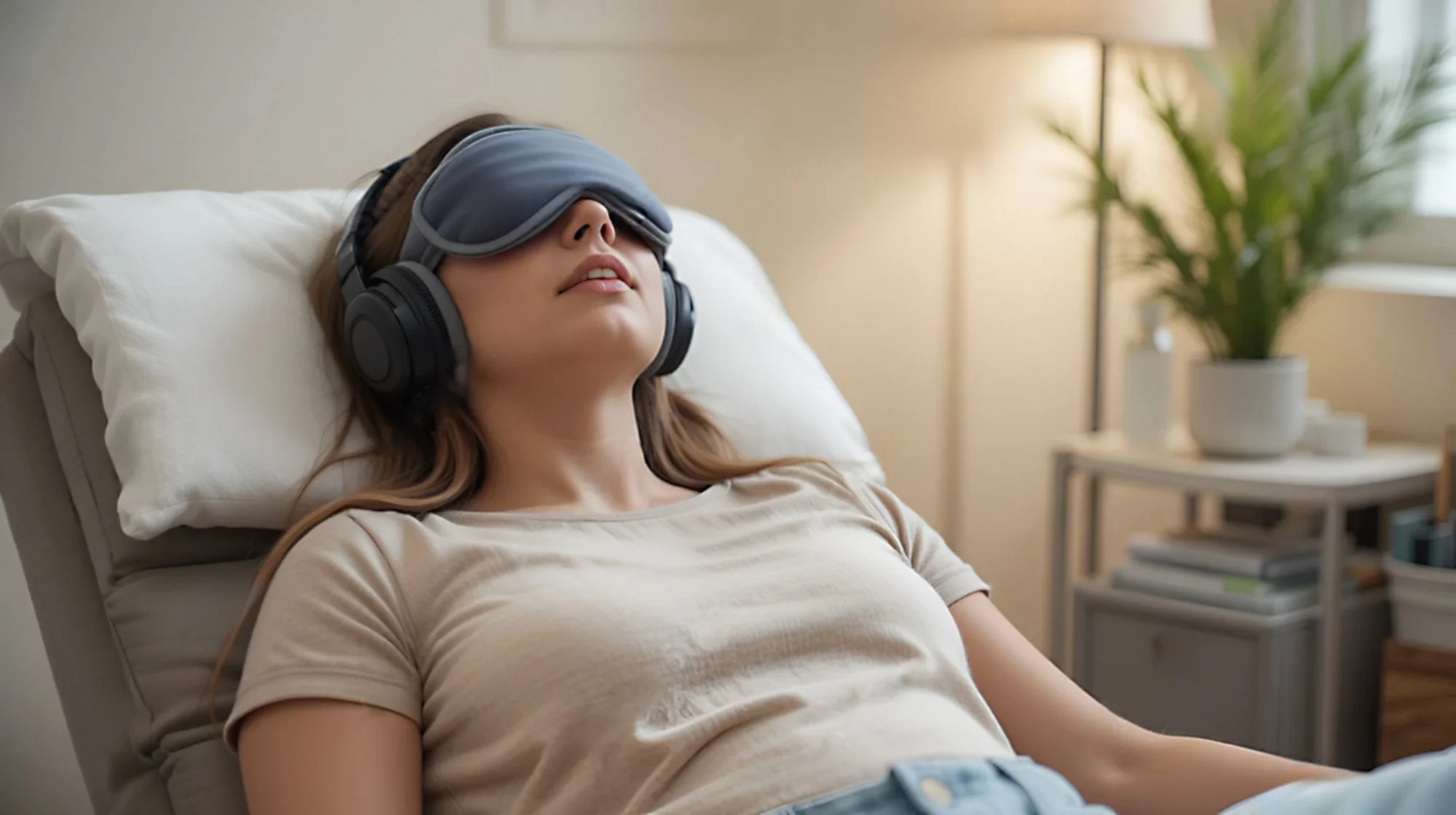
Ketamine can allow your brain to be open to reframing perspective and tends to lead to a disruption of negative feelings and obsessional preoccupations.
Services We Offer
-
![]()
Individual Ketamine Therapy
In-Person, Intramuscular
This trauma-informed treatment supports emotional healing, enhances neuroplasticity, and reduces symptoms of depression, anxiety, and PTSD. Sessions include intramuscular ketamine administration in a medically supervised setting followed by in-depth psychotherapy for integration and insight. Delivered over the course of six consecutive weeks, this structured model allows for cumulative transformation through guided, evidence-based care.
-
![]()
Group Ketamine Therapy
In person, intramuscular
Group ketamine therapy offers a unique opportunity for healing through shared experience, emotional connection, and supported processing. Participants engage in three ketamine sessions, each followed by group integration led by licensed clinicians. This model fosters personal insight, interpersonal growth, and a sense of belonging within a safe, therapeutic environment.
-
![]()
Ketamine Therapy for Couples
In person, intramuscular
Combines low-dose ketamine with guided couples therapy to reduce defensiveness, increase emotional openness, and promote healing—ideal for couples struggling with trauma, disconnection, or relational burnout.
-
![]()
Virtual Ketamine Therapy
For NYS Residents only. Lozenge
A remote, accessible option for qualifying New York State residents. Clients receive ketamine lozenges under psychiatric supervision and engage in virtual preparation and integration sessions with trained therapists. This approach is effective for treating depression, trauma, and anxiety while allowing clients to heal from the comfort of home.




The Process at Hampton Insights
We Start in the Right Environment
We’ve created an environment designed to help our patients have a safe and comfortable psychedelic experience. The experience is personalized, incorporating sound therapy, soothing lighting, and a connection to nature through the use of plants.
Sessions Follow This Process:


Administering the medication and assisting you through your psychedelic journey
3. Ketamine
4. Integration
Integration of knowledge and insights gained from your ketamine session


You’re part of the process. We keep communication open and decisions shared—no black boxes or surprises.
1. Intake
Getting to know you and doing a medical and psychological screening
2. Prep
The Protocol
In order to see a fundamental physiological and thus also behavioral change, one needs to participate in multiple sessions. It is recommended to have six sessions over the course of six weeks. Repeated injections occurring in a short time span have been shown to extend the results by three to six months.
Everything you need before your first appointment
The link below contains forms, policies, procedures, insurance information, and helpful tips for you to be ready for your first appointment
Frequently Asked Questions
-
Yes, ketamine is legal and has been used as an anesthetic for many years in surgery and combat. It is also safe for children. Traditionally it is used in the emergency room for small procedures such as stitches, MRIs in children, and very short duration surgeries. It is called a conscious sedation because unlike other forms of anesthesia, it does not require you to be intubated. It is short acting so it is very safe when properly used. Hampton Insight uses ketamine as a psychedelic and as an antidepressant drug.
-
In the short–term, it can cause you to feel drowsy. You can't drive yourself home after a session. Patients experience short-term memory loss during the day of the session, but not many additional side effects occur. It can also cause an increase in blood pressure in the short term, and in this case we might give a patient who experiences high blood pressure a prescriptive medication prior to their session.
-
There is no better agent for suicide prevention than ketamine, as a patient can process it very quickly. It is a great alternative to using SSRIs and other medications for mental health conditions, as those can take three to four weeks to start working. The negative short-term effects are you cannot drive after a ketamine session. There are a very small subset of patients who have displayed signs of addiction, but overall it is far less addictive than most other medicines such as benzodiazepines.
-
The changes a patient can make are lifelong. It involves a very intense form of therapy that can really unearth and unravel long-term trauma and depression in a way that weekly therapy alone would take years to have the same effect. The most exciting long-term effect occurs when it is combined with psychedelic psychotherapy. There are not many reported negative effects. However, there is some research to say it can cause bladder issues in abusers of ketamine, but certainly not in the context of psychedelic psychotherapy.
-
In order to see a fundamental physiological and thus also behavioral change, one needs to participate in multiple sessions. It is recommended to have six sessions over the course of six weeks. Repeated injections, which occur in a short time span, have been shown to extend the results by three to six months
-
No
Other places that offer Ketamine Assisted Therapy are:
Trendy clinics with minimal medical oversight. X
Private practices run by integrationists (not doctors) who cannot legally provide Ketamine, so you have to bring your own. There is no medical oversight. X
A physician’s office with no integration, emotional support, or comforting environment. X
At Hampton Insight, we take into account everything a person needs to heal with this therapy. We provide a serene environment, soundscapes, soft lighting, pillows, blankets, and medical-grade Ketamine. You are guided through the process with our highly qualified staff and are under medical supervision from an actual doctor. After the session, integration is done with professional psychotherapy.